Why space alone is no longer enough in real estate?
The real estate sector is changing faster than many expected. The conversation is no longer just about square metres or headline rents. Modern occupiers are looking for an experience, not just a lease agreement. They expect flexibility, transparency and service that makes everyday life easier. This is what property owners, investors and the teams responsible for office leasing and space concepts are now grappling with.
This shift is redefining what “value” means in real estate.
Want to see how this could work for your own properties? Book a short demo and we’ll walk you through it.

From occupancy rates to customer experience in real estate
For a long time, the success of a property was measured by occupancy and space efficiency. If the building was full, everything looked good. Today, a good space and a good location are already a basic requirement for most tenants. The decision to stay or leave is made based on how the whole experience feels as a service. More and more property owners and office leasing teams are therefore forced to look at things from the occupier’s point of view: how the service feels, how easy it is to deal with the landlord and how quickly things get done. PwC and ULI‘s Emerging Trends in Real Estate Europe 2026 report highlights that European players are increasingly looking for growth in solutions where buildings act as a platform for value-added services and business, rather than as passive assets.
The same shift in thinking is visible in CBRE’s article Companies now prefer metrics that measure effectiveness rather than efficiency. In the past, it was common to track only square metres and rental income. Today, more impact-oriented indicators are coming in: how well the space supports the customer’s business, whether leases are renewed, whether relationships expand and how satisfied tenants are with the service they receive. In other words, the question is no longer how much space has been leased, but whether the tenant feels they are getting real value for their money.
In the Nordics, the same trend shows up in day-to-day decision-making, even if the pace of change is not identical everywhere, as PwC’s city analyses and CBRE’s Nordic Office Occupier Sentiment Survey 2025 indicate. In some parts of Europe, the discussion is already driven by service structures, readiness for hybrid work and the ability to support corporate life. Elsewhere, the focus is still more on costs and capacity. In Nordic cities, the emphasis is increasingly on service quality, predictability and transparency as the factors companies use to decide which spaces and partnerships are worth committing to.
When occupancy alone no longer tells you whether you are succeeding, the key question becomes what kind of value the property creates for the companies that lease it. Is the space easy to manage and adapt when needs change? Is help easy to reach when something happens? Does the customer get a clear answer with a single enquiry? Customer experience is becoming a core metric because it is a better indicator of service quality and of whether the customer will return for the next lease term. Put simply: the space is what the customer pays for, but the experience is what decides whether they are willing to pay for it again.
Three reasons customer experience is rising in real estate
Space is a basic requirement, no longer a differentiator
Location and a well-presented building are already assumed. The decision to stay or move on is made based on how easy everyday life and interactions feel.
Experience shows up directly in the numbers
Poor service increases churn and internal hassle. A good experience brings renewals and expanding relationships. That is why it is not enough to track occupancy, you also need to understand customer experience.
The rest of the service world has raised the bar
When almost everything else is handled in one app, quickly and clearly, a faceless and contactless building feels outdated. Occupiers expect the same effortless service from their space and their landlord.
Want to see what customer-centric property management looks like in practice?
What this means for office leasing and space concepts
Teams working with office leasing and space concepts are right at the centre of this shift. The business model is no longer built around a single deal, but around an ongoing relationship between tenants and owners. The goal is to keep buildings active, turn services into a coherent concept and make everyday life smoother for both users and owners.
In this model, no system can be just a static archive for contracts. You need a view that shows, at a glance, what is happening in the building and in customer relationships:
- who has been in touch and why
- how quickly enquiries are answered
- which service requests are open and how they are progressing
- what kind of structured tenant feedback you are getting (and how it trends over time)
- where there is potential to develop new services or concepts
In Emerging Trends in Real Estate Europe 2026, the most attractive concepts are those where the building and operations go hand in hand, and value is created by how well the service works over the whole lifecycle. This captures the challenge – and the opportunity – that office leasing and concept teams are working with every day.

Customer-centric property management with Lime’s platform
Lime helps real estate companies move from traditional property management to a more customer-centric way of working. Our property management platform brings together, in one view, tenant and customer data, all interactions, service requests, contracts and key property information.
When tenant enquiries, technical fault reports and contract details are all in one place, it becomes much easier to see how well the service actually works and where the experience starts to break down. Teams share the same picture of the situation, can react more quickly and improve asset management efficiency through automation and structured workflows, develop the service based on real data rather than gut feeling.
For Anyspace, this has meant that the status of each property, customer relationships and service requests are all visible in one view, and most routines are handled through automation. Onboarding a new customer now takes only a few minutes instead of a long, manual process, freeing up time to refine the service and scale the concept to new properties. The result is smoother everyday life for tenants and a much clearer view for owners of how each property is really performing.
It is hard to manage customer experience from spreadsheets or scattered emails. It needs a platform that makes every interaction visible, structured and human, and that supports the service mindset that will drive the next wave of growth in real estate.
Want to see what this could look like for your properties?
Anyspace and Lime have already turned this into a working model. Let’s see what your version could look like.
Related articles
-
Read more: A digital superhero for the real estate industry

A digital superhero for the real estate industry
Curious about the real estate industry’s best AI tool for customer service? Say hello to your digital colleague who works…
-
Read more: AI for smarter Customer Service
AI for smarter Customer Service
As a beta tester, Skövde Energi is helping shape the future of AI solutions in Lime CRM.
-
Read more: State of Utility 2026 – Trend report
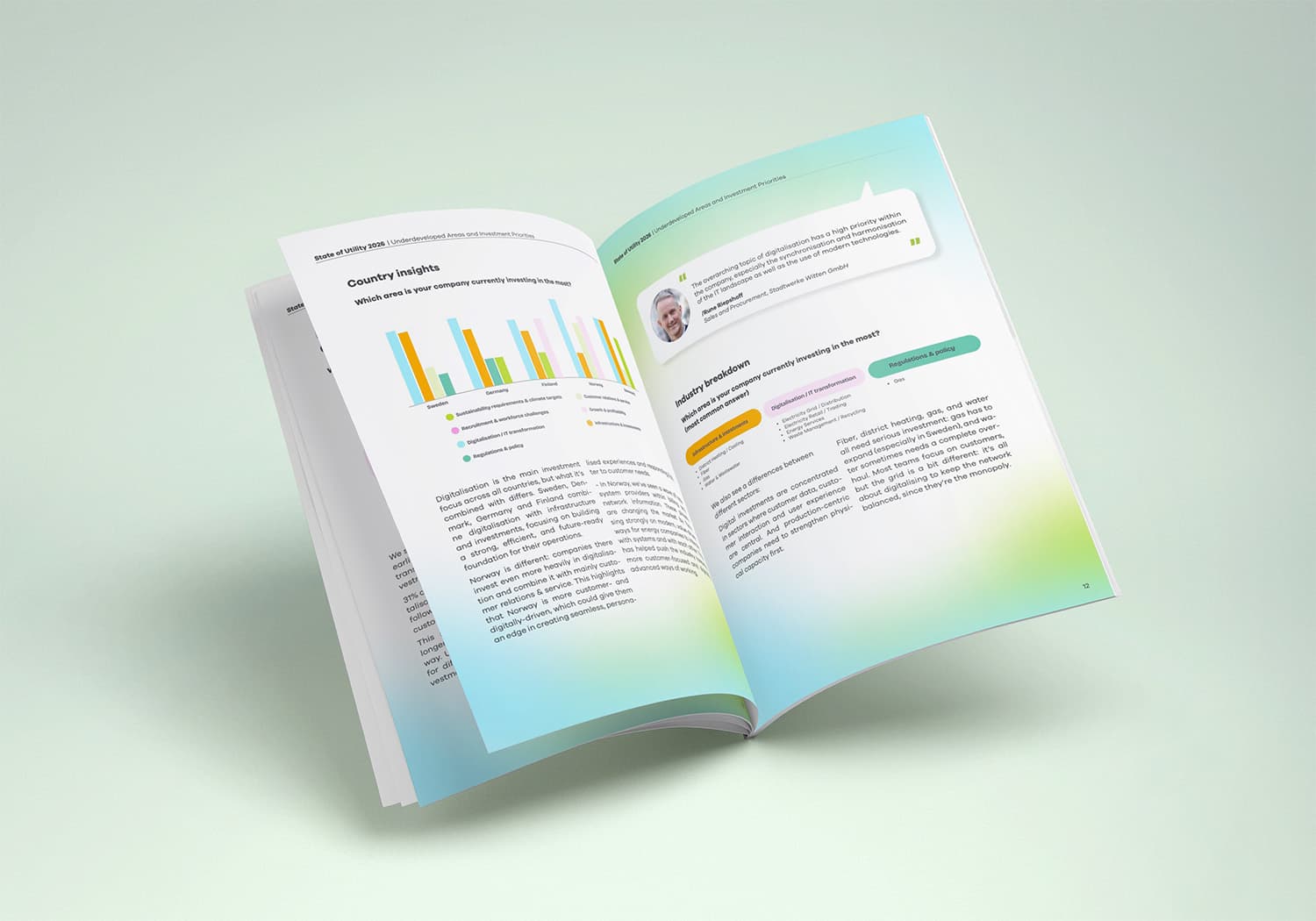
State of Utility 2026 – Trend report
Companies in the energy, water, and waste management sectors are currently investing heavily in digitalisation. This is shown in our…


Want to get in contact with us?
There’s no time to waste! Let’s find the solution that will help you get more customers and turn existing ones into loyal ambassadors today.