Smooth everyday operations are the new competitive edge in commercial leasing
In the real estate industry, customers expect more from their premises than square metres, location and the right price. In commercial leasing, competitive advantage is increasingly built on how smooth the tenant’s everyday experience feels: how quickly things move forward, how clearly communication flows and how well the space can adapt as the business changes.

Lime’s Henri Leijamaa and Anyspace’s Benjamin Sundberg look at the topic through practical experience. From both perspectives, one thing is clear: a flexible premises model is not built on contract terms alone. It also requires processes, technology and service that make the leasing experience as easy as possible for the customer.
Tenant expectations have changed, but processes have not always kept up
Lime has over 30 years of experience in real estate and customer management, and Leijamaa has seen first-hand how customer expectations have changed. According to him, expectations have clearly grown, but in many organisations, ways of working have not evolved at the same pace. “In real estate, there are situations where everything moves forward correctly from the landlord’s side, but the customer experience is still poor. Simply because the customer doesn’t know what is happening,” he says.
The same challenge was visible in Anyspace’s early days. According to Sundberg, the leasing process often felt like an obstacle course, where there was always another delay around the corner. The comparison already existed in other industries: you can rent a car in a minute on your phone and get an answer from customer service in seconds. “Why couldn’t real estate work the same way?” he asks.

The questions customers ask say a lot about where commercial leasing is heading. The first question is no longer always about square metres or price. Instead, customers want to know how quickly they can move in, what services are available and whether the space can adapt as their business changes. “The future of premises is not in square metres, but in how well the service around them works,” Sundberg says.
Flexible commercial leasing needs the right structure behind it

Anyspace developed a flexible lease agreement: a monthly rolling model that adapts to the tenant’s situation. The principle is clear, but for the model to work in everyday life, it needs the right processes, systems and customer service behind it.
A concrete example says more than theory. One of Anyspace’s customers was launching a new product in an uncertain situation. In addition to production space, they needed project-based workspaces, meeting rooms and temporary storage exactly when the need arose, not months in advance. A traditional long-term lease would have been an impossible equation. Three years later, the company has its own 400-square-metre premises.
A model like this does not run on goodwill alone. “It requires a strong digital platform, clear processes and customer service that is genuinely reachable,” Sundberg says. Leijamaa adds to this from a practical point of view: “Individual flexible agreements can be managed manually. But when there are many of them, manageability becomes the deciding factor. That’s when you need functioning systems and clear processes across the whole organisation.”
At its best, flexibility feels effortless to the customer, but behind the scenes there is a lot of information to manage. To offer tenants fast service and up-to-date communication, landlords need a clear view of the whole picture: the status of the customer relationship, contracts, contacts, open issues and next steps.
Want to make commercial leasing smoother for your customers?
Read more about how Lime helps real estate companies manage customer relationships, tenant communication and everyday processes in one place.
Trust in the leasing relationship is built on a better shared view
Flexibility and technology alone do not make the leasing relationship smooth. From the tenant’s perspective, what matters is whether they feel they are getting a reliable partner, not just a space.
Leijamaa highlights communication as one of the most important development areas in real estate. In his view, transparency across the different stages of the process is an essential part of the service experience. “When the customer knows where things stand and what happens next, trust grows. Without that, even a well-managed process can feel unclear to the customer.”
Sundberg describes the target state in concrete terms: growing customers do not start looking for alternatives elsewhere, but want to expand with the same partner. “It’s not about the premises. It’s about a service that works.”

In practice, a better customer experience also requires information about customers, contracts, contacts and next steps to be easily available. When customer relationship management in real estate is in place, tenants experience smoother service: answers are found faster, communication stays consistent and the whole organisation can see where each customer relationship stands.
How should you start improving the customer experience in commercial real estate?

Sundberg’s advice is practical: start by shifting your thinking to the customer’s everyday reality. How smoothly do things move forward? How quickly do you react to changes? Who knows where things stand? “Good service is about managing the shared view. The customer, stakeholders and service provider all know what happens next,” he sums up.
Leijamaa encourages starting small. “Put yourself in the customer’s shoes for a moment and look at what the experience feels like. Clearer communication alone can improve the service experience significantly, without major investments.”
A flexible premises model is not built on good intentions alone. It is built with the right processes, functioning technology and a mindset where the customer is at the centre of every step. When the leasing relationship feels easy, predictable and transparent, premises become more than a place. They become part of how smoothly the customer’s business runs.
Want to talk about how these things show up in your leasing processes?
Get in touch, and let’s look at how customer data, communication and commercial leasing processes can support a better tenant experience.
Related articles
-
Read more: Why digitalisation falls short in the utility industry – and what actually works

Why digitalisation falls short in the utility industry – and what actually works
Many utility companies have invested heavily in digitalisation but aren’t seeing the results they expected. The problem is rarely the…
-
Read more: Taking utility excellence to Germany
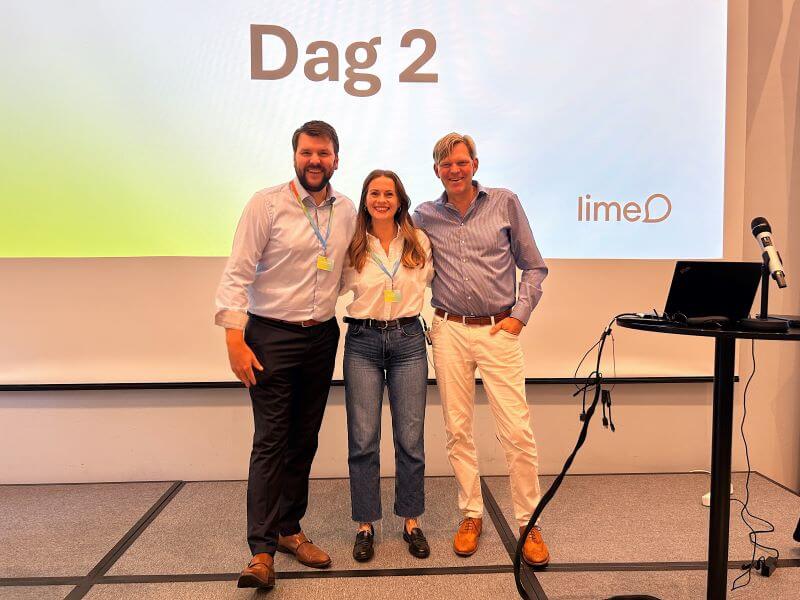
Taking utility excellence to Germany
For more than 25 years Kraftsamlingen is a huge part of Lime`s success story. Now we bring this format to…
-
Read more: AI for smarter Customer Service
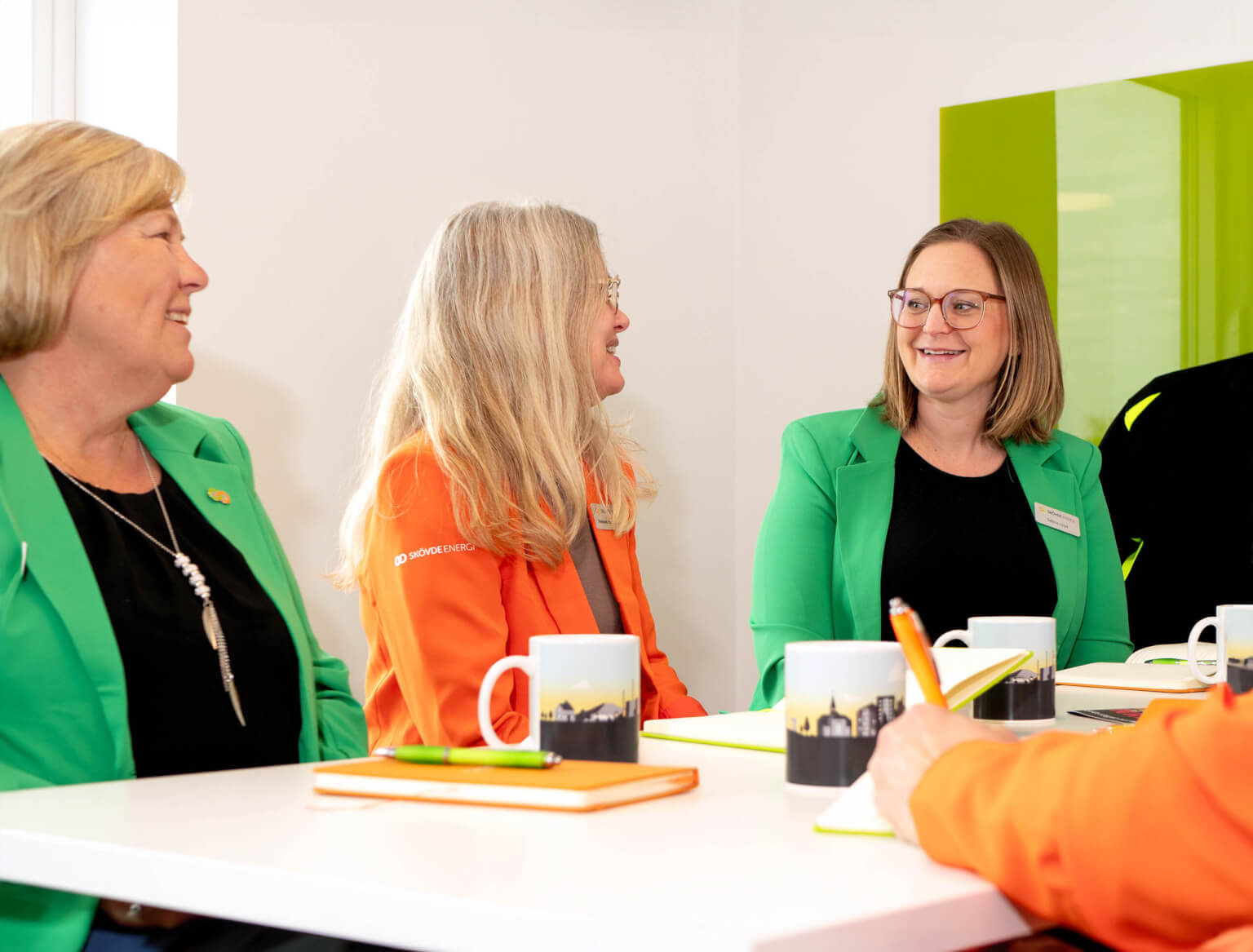
AI for smarter Customer Service
As a beta tester, Skövde Energi is helping shape the future of AI solutions in Lime CRM.


Want to get in contact with us?
No time to waste. Let’s find the solution that will help you get more customers and turn existing ones into loyal ambassadors today.